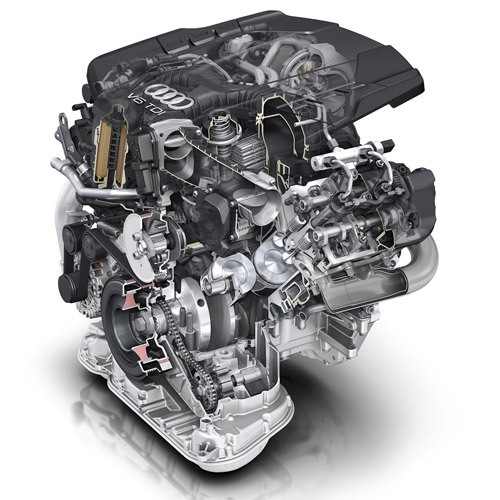
3.0 TDI V6 Engine and Transmission Tunes
Engines: Generation 1 CATA from 2009-2012 and Generation 2 CNRB, CPNB, and CPNA from 2013-2017
Transmissions: 6 speed Aisin, 8 speed Aisin, and ZF8 automatics
Software Options Included
Tuning Software
Tuning Cable
Exhaust Options
VW Touareg / Audi Q7 / Porsche Cayenne (TDI)
Audi Q5 / A6 / A7 / A8 (TDI)
EGR Exhaust Leak Block-Off Testing Plates
Intake Charge System Boost Leak Testers
$28 flat shipping for boost leak testers within the US. Other shipping and taxes calculated at checkout.
Overview Description
Introducing the Oakes Performance Solutions 3.0 TDI Engine and Transmission Tunes.
These are the most reliable tunes that achieve much better fuel economy and offer amazing performance including software solutions for the Adblue, EGR, and DPF systems along with our Hardware that is made in the USA.
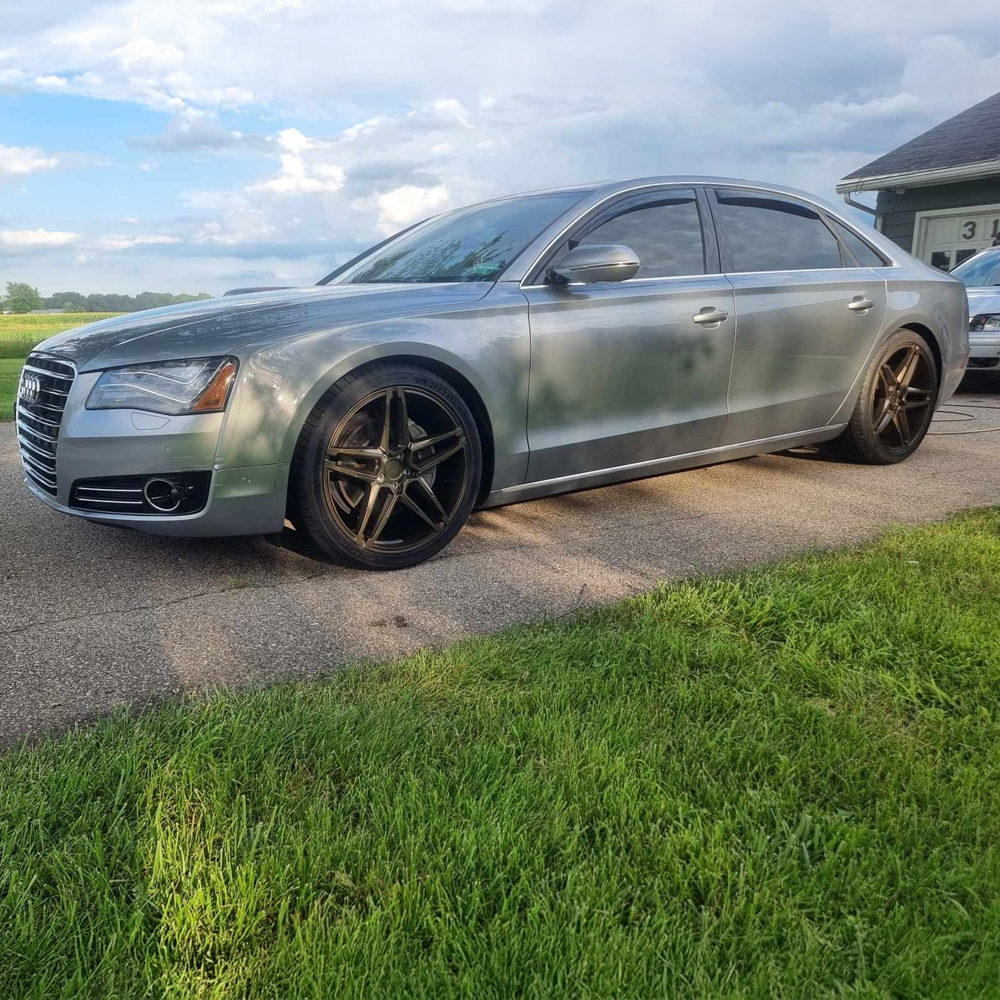
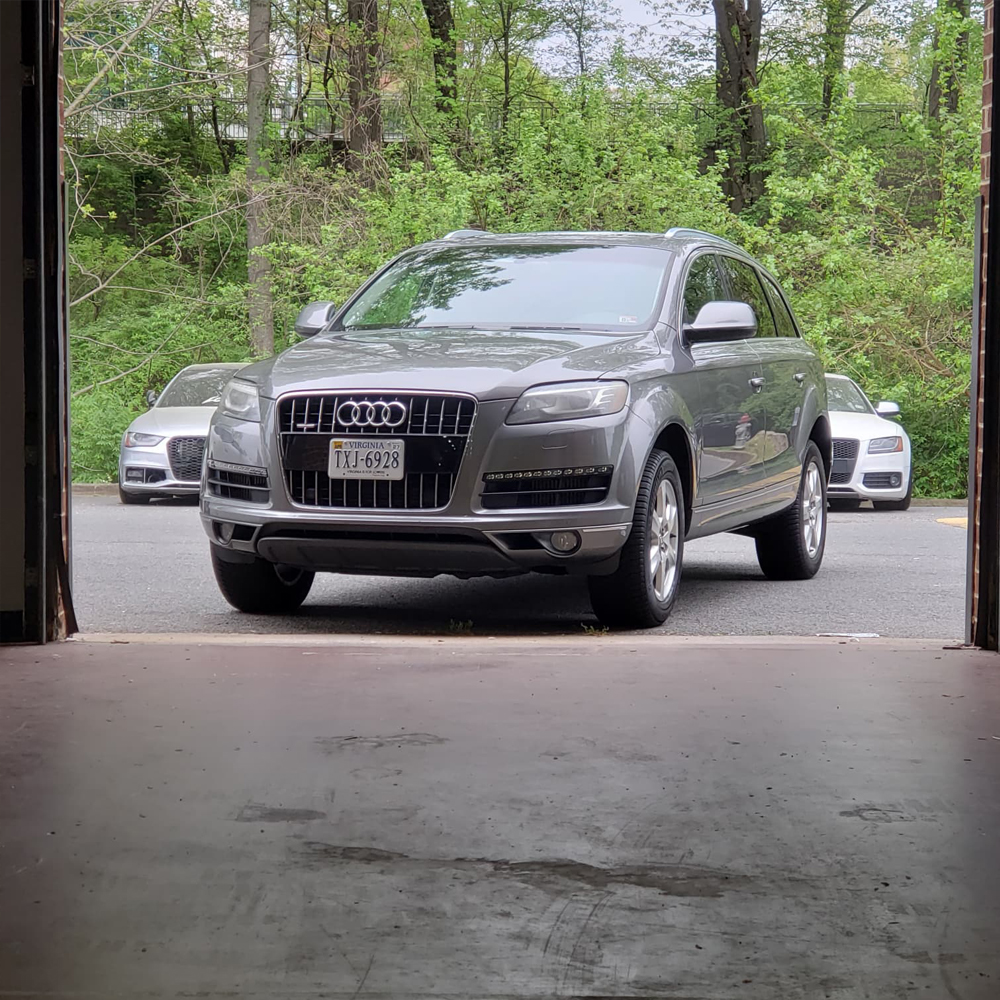
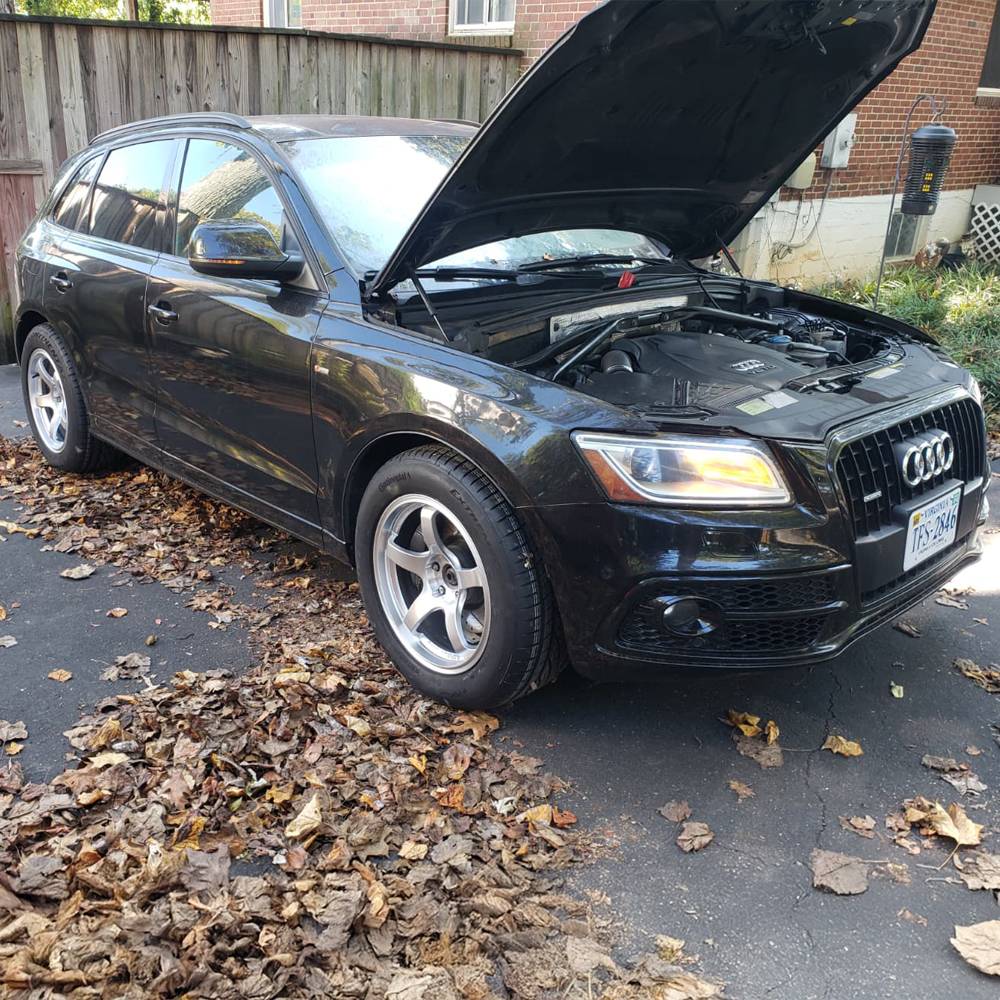
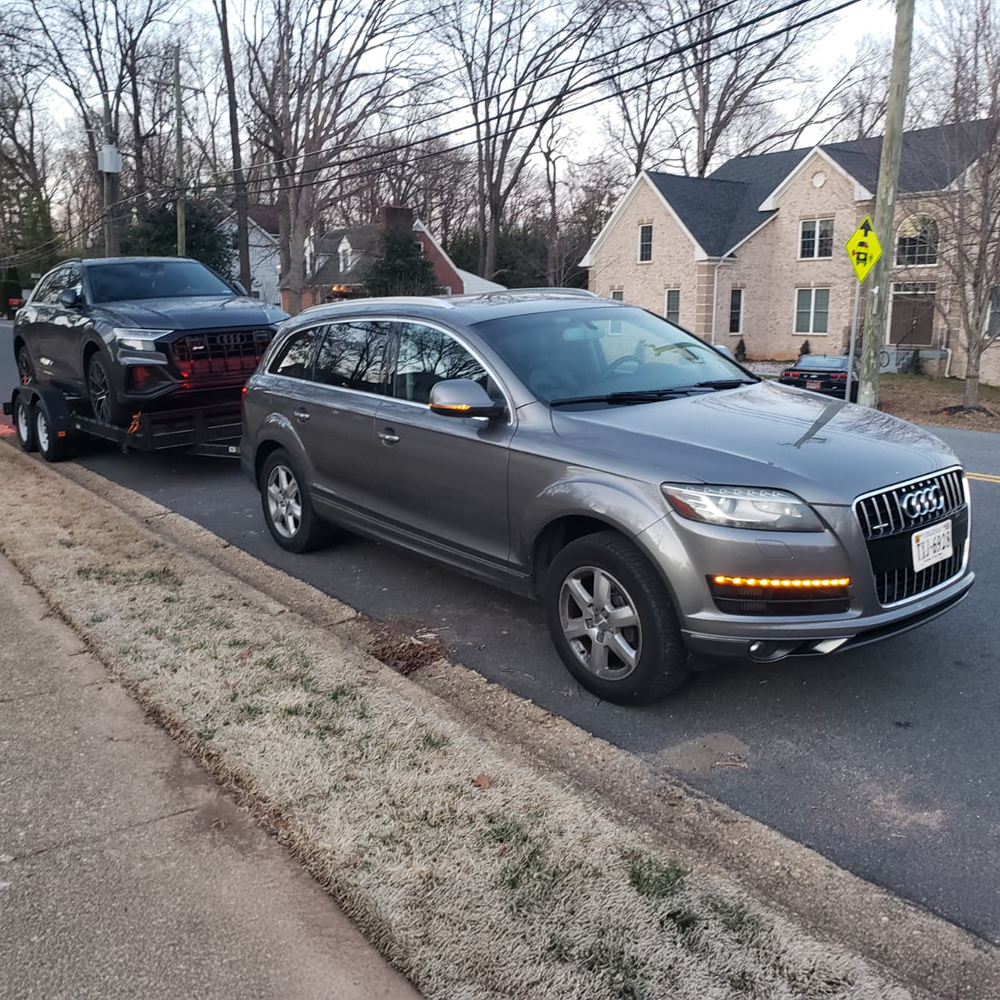
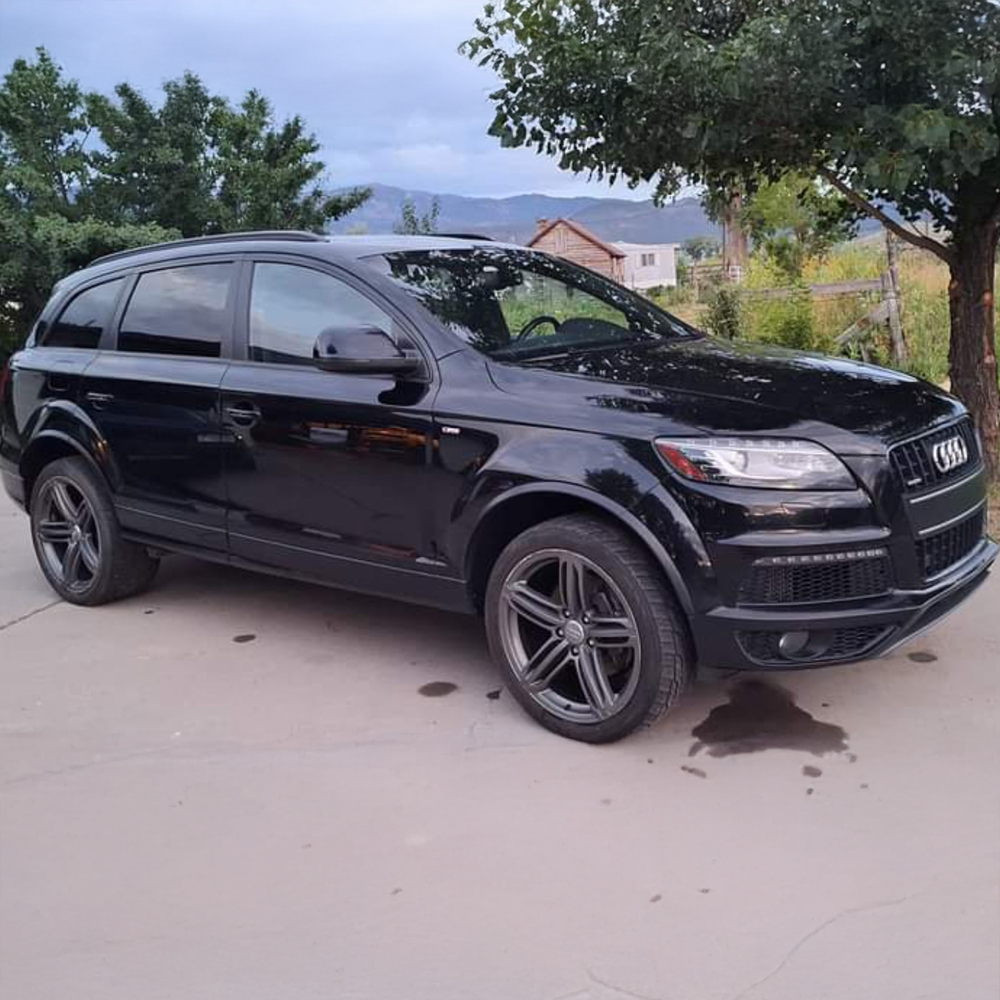
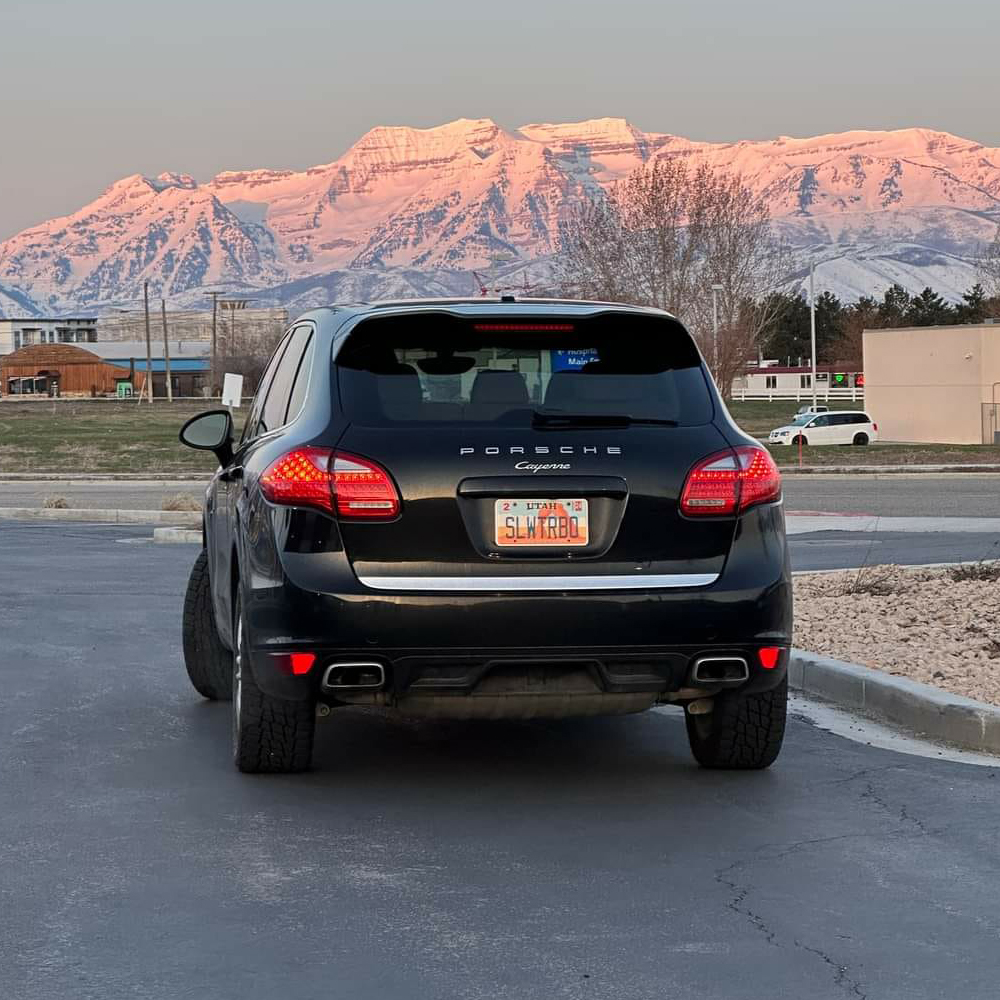
We have perfected these tunes from years of refinement on our in house shop cars that include a 2012 Audi Q7 CATA TDI, a 2014 Audi Q5 CPNB TDI, a 2015 Audi A8 CPNA TDI, a 2013 Porsche Cayenne CNRB Diesel, and a 2015 VW Touareg CNRB TDI.
The 3.0 TDI V6 vehicles that we support with tuning are:
- 2009-2012 Audi Q7 with the CATA engines and 6 or 8 speed Aisin transmissions
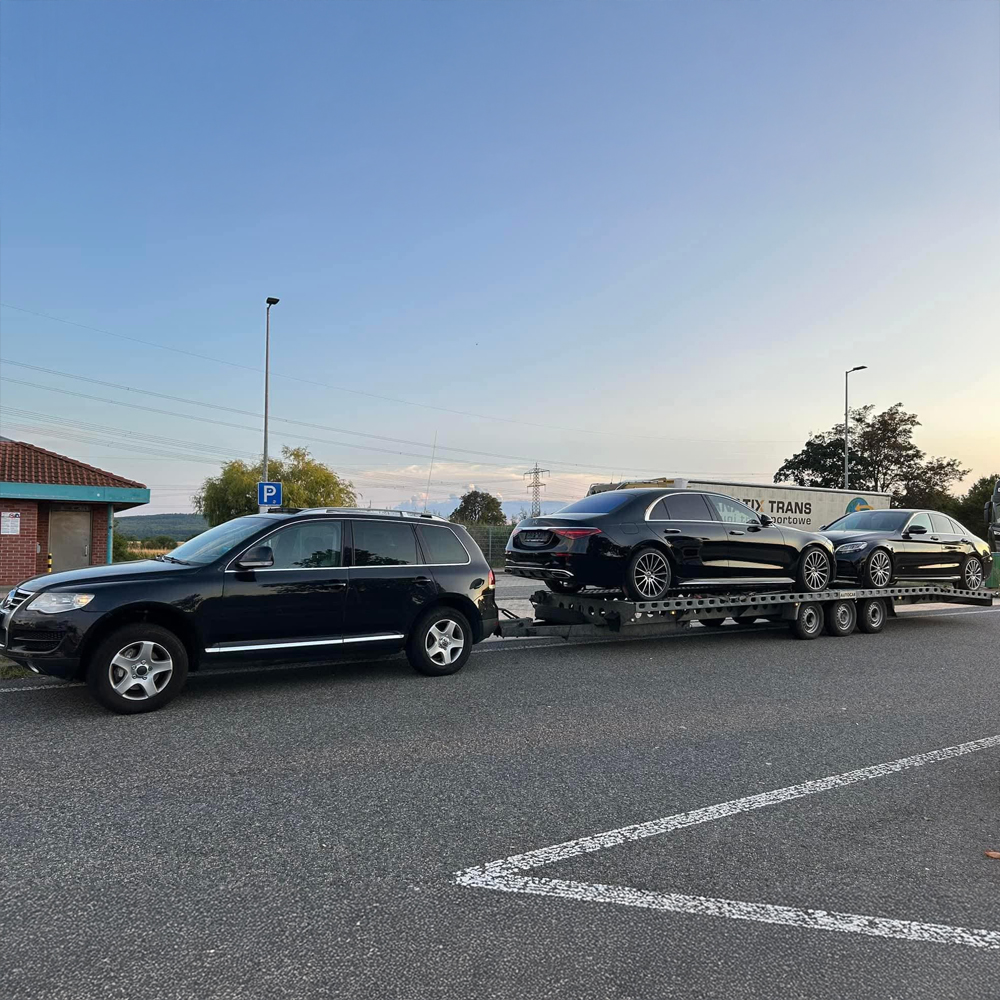
- 2011-2012 VW Touareg TDIs with the CATA engines and 8 speed Aisin transmissions
- 2013-2015 Audi Q7, VW Touaregs, and Porsche Cayenne Diesel TDIs with the CNRB engines and 8 speed Aisin transmissions
- 2014-2016 Audi Q5, A6, A7, and A8 TDIs with the CPNB/CPNA engines and ZF8 transmissions
Required Hardware, Software, and Steps for Downloading Our Tunes
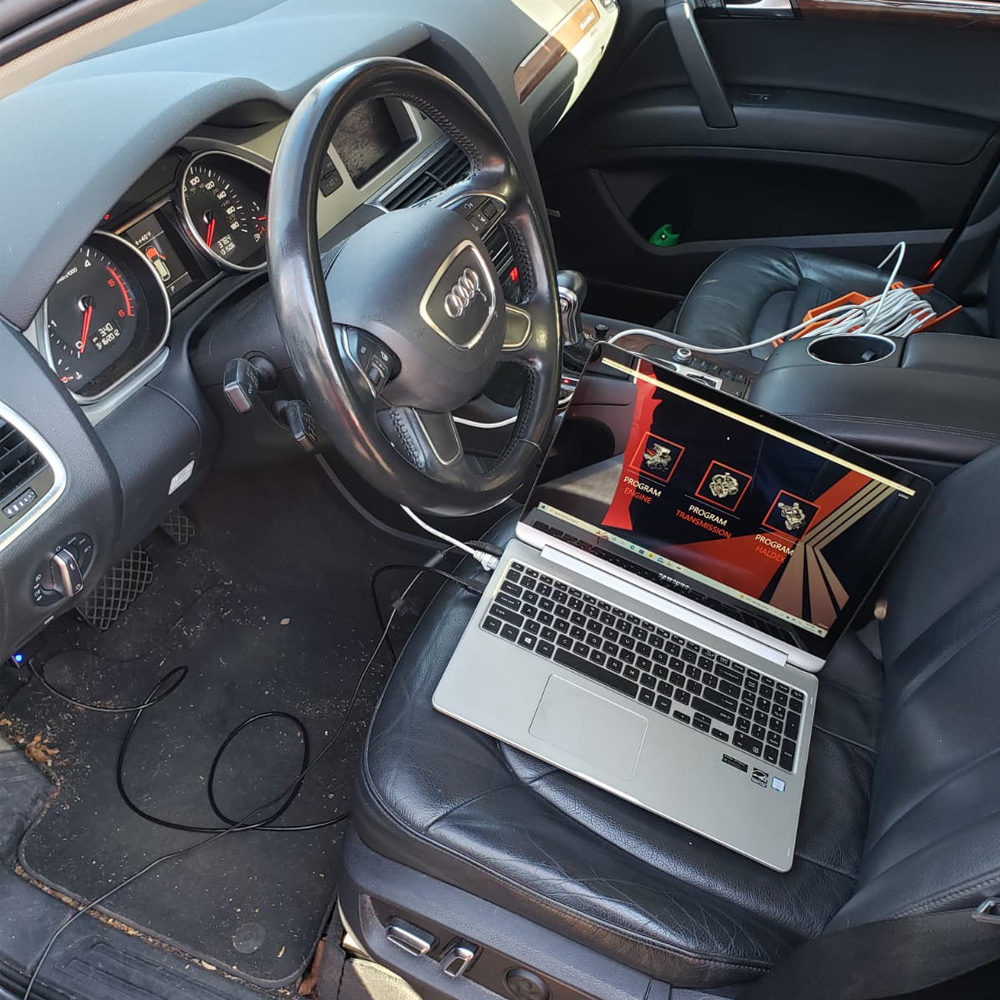
All of our ECU/Engine and TCU/Transmission tunes are downloaded via the vehicle’s OBD2 Port with our proprietary tuning cable. The requirements to download our tunes are:
-
Oakes Performance Solutions proprietary tuning cable.
Our tuning cable is proprietary to our firmware with the Custom Code Flashing Application so no other companies’ tuning cable works with the flashing application. We are asked regularly if a VCDS from Ross-Tech, an Alienware cable, or any other company’s tuner box can be used and unfortunately they are not compatible. Due to the fact that we have an entire drawer of different tuning cables from other companies that James has personally used to download tunes for different vehicles over the years, we decided to offer the option to buy the cable or rent it. Most TDI customers decide to buy the tuning cable since it can be used to download tunes on multiple vehicles and for Data Logging values at an insanely high resolution rate of up to 200 data points per second. A low percentage of customers will rent the tuning cable so that the tunes can be downloaded and then they ship the tuning cable back since they are not going to be using it again.
-
Windows based computer with a USB port and ideally Windows 10
Other versions of Windows such as Vista, 7, and 11 have been successfully used. However Apple computers like MacBooks and certain Chromebook are not compatible with the Custom Code Flashing Application. All third-party spam, spyware, and/or firewalls will need to be disabled while downloading the Custom Code flashing application, installing the flashing application along with all the respective drivers to the computer, and while downloading the tunes.
-
Stable internet connection via an ethernet cable connection or over WiFi.
Hardwired ethernet connection is ideal but we understand that a lot of laptops and tablets are not offered with ethernet connection ports. So most of our customers use WiFi to download their tunes. Worst case we have had customers use a WiFi Mobile Hotspot from their phone but this is never recommended due to the inconsistent internet signal and slow data transfer rates for the large files especially the ECU files.
-
Hood open with a battery charger or jumper cables to another running vehicle connected to the battery jump points to keep the battery voltage high enough while downloading the tunes.
Most customers use a stand up style battery charger that is commercially available from places like Harbor Freight or Midtronics. Another effective and simple solution is to hook up Jumper Cables to another running vehicle the entire time while downloading the tunes. Typically the VWs/Audis need at least 12.6 volts and around 20 amps as the Porsche Cayennes need at least 14 volts with around 30 amps. We do not recommend using a battery jump box because they don’t provide a consistent stable supply of voltage to the battery.
-
The Hazard Lights need to be Flashing while downloading the tunes.
The Hazard Lights flashing keeps the computers awake while downloading the tunes. This step is even required by the OEMs like VW, Audi, and Porsche.
Below is a Private YouTube video that is only available from our website below and is also emailed with extremely detailed typed instructions to our customers after purchasing tunes as a visual guide for the process of downloading our tunes to familiarize customers.
ECU/Engine Tuning
A. Highlights of Our ECU/Engine Tuning
Our Engine Control Unit tuning comes in a variety of different stages to accommodate the different performance requirements of our clients. We tune the engine with order of priorities starting with reliability, then fuel economy, and lastly performance. These engines pick up a LOT of torque and horsepower!
Reliability: We have multiple customers that have tuned their vehicles with over 400,000 miles and some of our customers are on their way to a goal of 1 Million Miles! A lot of customers regularly drive 50,000-60,000 miles a year while towing trailers with only regular maintenance described in our required maintenance expandable tab below. Our tunes include software solutions for the Adblue, EGR, and DPF systems in various different combinations for the installed vehicle hardware that are selectable when downloading the tunes.
Fuel Economy: Most owners see a gain of 3-8 mpg better than before. Obviously that depends on driving habits, cruising speeds, maintenance to the vehicle, and any other modifications like taller tires than stock. Our fuel economy increases are tiered with the different stages to provide additional value for the money required for the tunes.
Performance: Our tunes allow these TDI vehicles to accelerate much quicker and faster than before because of our tuning strategies while keeping everything as safe as possible. Safely merging onto fast highways and passing other vehicles is so much easier with all the additional torque.
B. Performance Tuning Stages Explanation
| Tuning Stage | 2009-2012 CATA Engines | 2013-2017 CNRB/CPNB/CPNA Engines |
|---|---|---|
| Custom Tailored | 400+ HP and 620+ FT-LBs of Torque depending on hardware modifications | 400+ HP and 620+ FT-LBs of Torque depending on hardware modifications |
| Stage 3.5 with 2566 Bigger Turbo | 368 HP/575 TQ | 386 HP/602 TQ |
| Stage 3.5 with 2260 Bigger Turbo | 332 HP/550 TQ | 373 HP/583 TQ |
| Stage 2.8 | 310 HP/520 TQ | 341 HP/532 TQ |
| Stage 2.2 | 301 HP/500 TQ | 333 HP/511 TQ |
| Stage 1.1 | 280 HP/480 TQ | 321 HP/493 TQ |
| Stock | 225 HP/406 TQ | 240 HP/406 TQ |
Stage 1.1 ECU tunes:
These Introductory style tunes are mostly used by our customers for “adjusting” the main problematic systems for these engines to turn off the warning lights on the dash while offering an initial bump in performance that still outperforms most other companies’ stage 2 tunes in acceleration performance while being much safer. The fuel economy increase is a little better than stock. The transmission can be tuned to match these ECU tunes but is not required.
Required hardware – Stock or our exhaust and/or plates.
Stage 2.2 ECU tunes:
These tunes are our preferred tuning for towing that built this company’s reputation and outperforms most other companies’ stage 2.5 tunes in acceleration performance while being much safer. All the cooling strategies for EGTs/exhaust gas, coolant, oil, and ATF temperatures are strongly adjusted and monitored to keep everything as safe as possible with power reduced should the temperatures go too high. The fuel economy increase is tiered better than stock and our Stage 1.1 ECU tunes to better justify the additional cost over our Stage 1.1 tuning. The Stage 2.2 Transmission tune is matched to the Stage 2.2 ECU tunes and is required as part of the software package to achieve the best reliability, fuel economy, and performance.
Required hardware – Stock or our exhaust and/or plates.
Stage 2.8 ECU tunes:
These Performance minded tunes maximize the initial torque bump to get the vehicle moving as quickly as possible along with going to the safe limit of the stock turbocharger. These tunes outperform most other companies’ stage 3 bigger turbocharger tunes in acceleration performance. Occasionally these tunes can puff smoke slightly under the first initial hard acceleration depending on the condition of the engine and maintenance performed. All the cooling strategies for EGTs/exhaust gas, coolant, oil, and ATF temperatures are strictly monitored to keep everything as safe as possible with power reduced should the temperatures go too high. The fuel economy increase is similar to our Stage 2.2 ECU tuning when driving gently but flooring the accelerator pedal regularly will reduce the MPGs. The Stage 2.8 Transmission tune is matched to the Stage 2.8 ECU tunes and is required as part of the software package. The Stage 2.8 tunes should not be used for towing!
Required hardware is a performance exhaust for all models and a bigger intercooler for the Q5, A6, A7, and A8 TDIs models.
Stage 3.5 Big Turbo ECU tunes:
These are our bigger turbocharger tunes to support the customers that have upgraded to a bigger Garrett or Darkside Developments 2260, 2560, 2566, and 2872 turbochargers. In general these tunes can puff smoke slightly under the first initial hard acceleration depending on the condition of the engine and maintenance performed. Most customers that decide to go for a bigger turbocharger are not as interested in fuel economy but we still try to improve the mpg over stock. The transmission is tuned as well to match these ECU tunes and usually revs out to farther than our usual Stage 2.2 or 2.8 TCU files to take advantage of the additional turbocharger flow. Unlike other companies we don’t need a four bar map sensor, MAF upgrade, metering valve upgrade, or higher fuel pressure sensor to achieve these results but they can be used when necessary. Our bigger turbocharger experiences with testing on our shop cars below is a general overview as a reference:
The 2260 turbocharger is roughly the stock sized turbo for the 2013-2017 CNRB, CPNB, and CPNA engines so this is a turbo upgrade for the 2009-2012 CATA engines. It is slightly laggy initially but carries boost out to similar engine rpm points for the CATA engines as to the later engines due to the bigger intake compressor wheel. However the limitations are still the small exhaust housing and turbine wheel that restricts flow resulting in high EGTs or Exhaust Gas Temperatures.
The 2560 turbocharger has a bigger exhaust turbine wheel and housing vs the 2260 turbocharger so it allows a lot more exhaust flow which is greatly needed and is in our opinion the best turbocharger upgrade for all of these TDI engines both in daily driving and while already cruising on the highway. The intake compressor wheel and housing is the same size as the 2260 turbocharger.
The 2566 turbocharger is too big of an intake compressor wheel in our opinion for all of these TDI engines. It has the same exhaust turbine wheel and housing as the 2560 turbocharger. Daily driving regularly below minimum highway speeds of 55 mph or 88 km/h and/or 3,000 rpms can be very laggy in accelerator pedal response.
The 2872 turbocharger is WAY too big of a turbocharger in general for these engines and should only be used with Nitrous injection because otherwise the engine will develop boost in the gear AFTER you floor the accelerator pedal and hold it there so we definitely do NOT recommend using this turbocharger at all with the 3.0 TDI V6 engine.
Required hardware is a performance exhaust for all models and a bigger intercooler for the Q5, A6, A7, and A8 TDIs models.
Suggested Hardware for the Stage 3.5 Bigger Turbo ECU tuning: The bigger SUVs would strongly benefit from bigger side mount intercoolers like from a Porsche Cayenne Turbo S of the same time period or an aftermarket front mount intercooler that would require a custom installation currently.
Custom Tailored ECU tunes:
These are application specific tunes that require data logging with our Data Logger software for best results based on custom hardware changes. Most of these customers have built engines with head studs, custom reground camshafts, custom compound turbocharger setups, four or five bar map sensors, etc. Both the ECU and TCU have to be recalibrated for best results and prolonging the life of components for usually racing applications.
C. Performance Tuning Acceleration Results
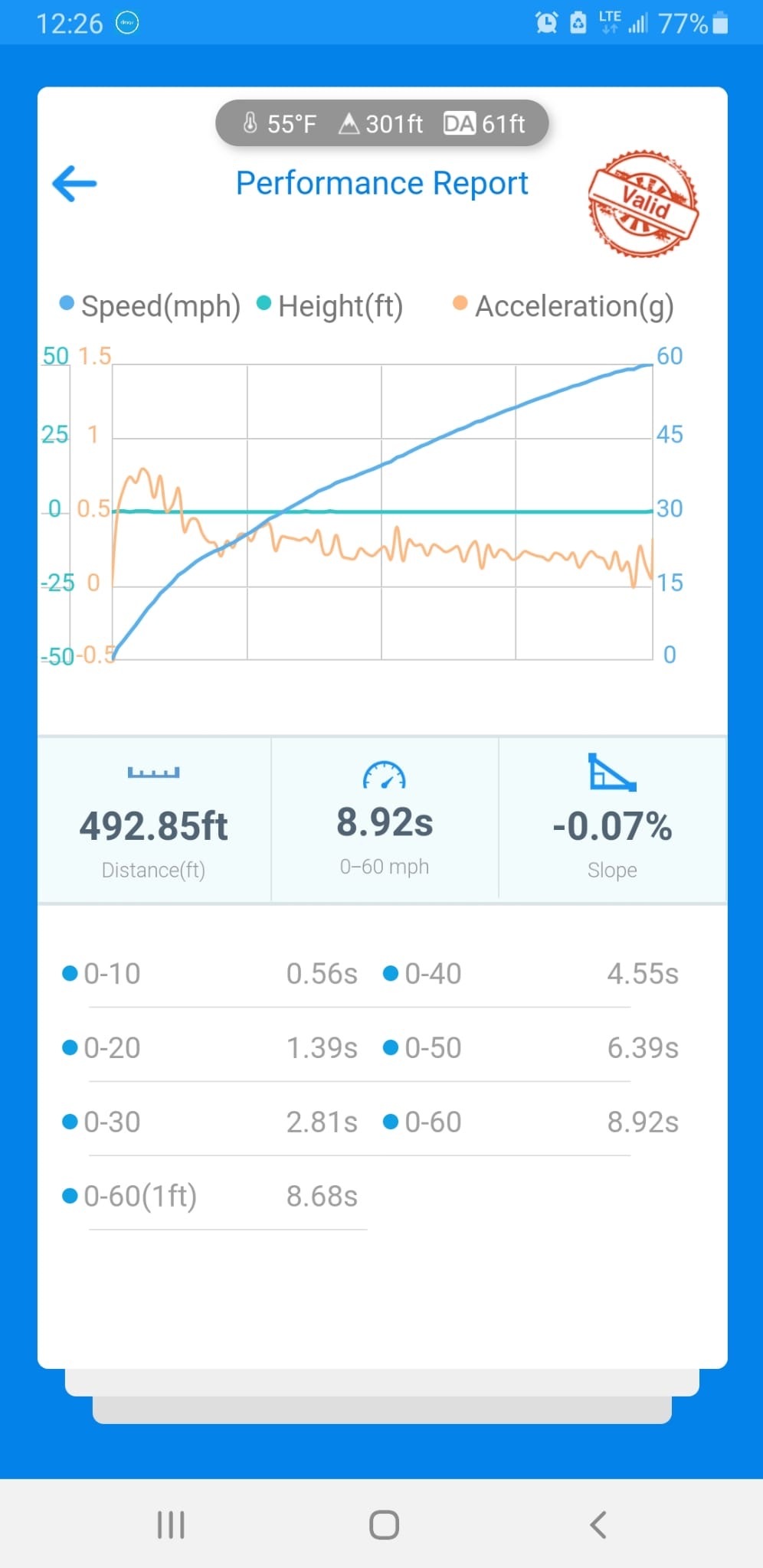
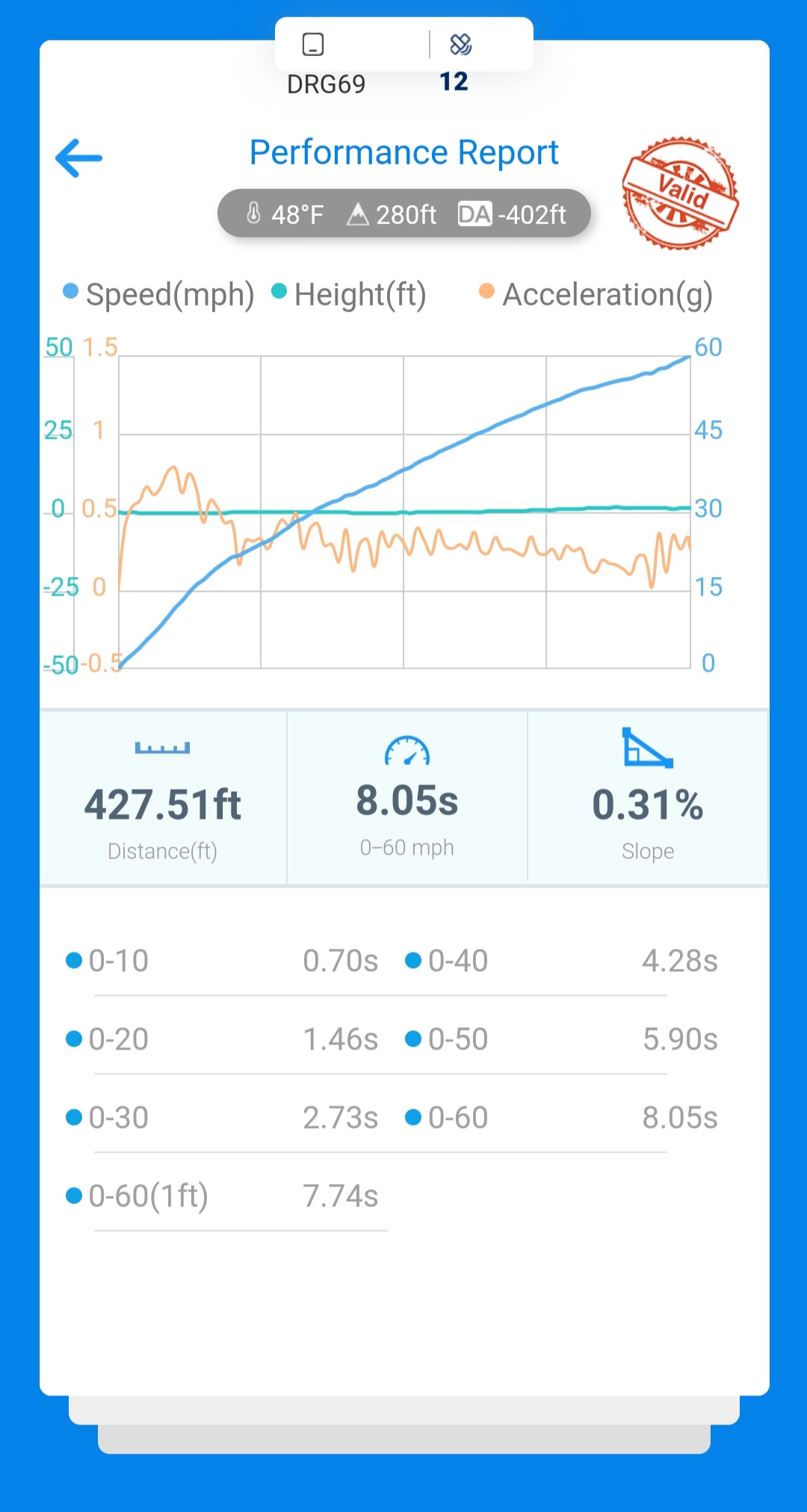
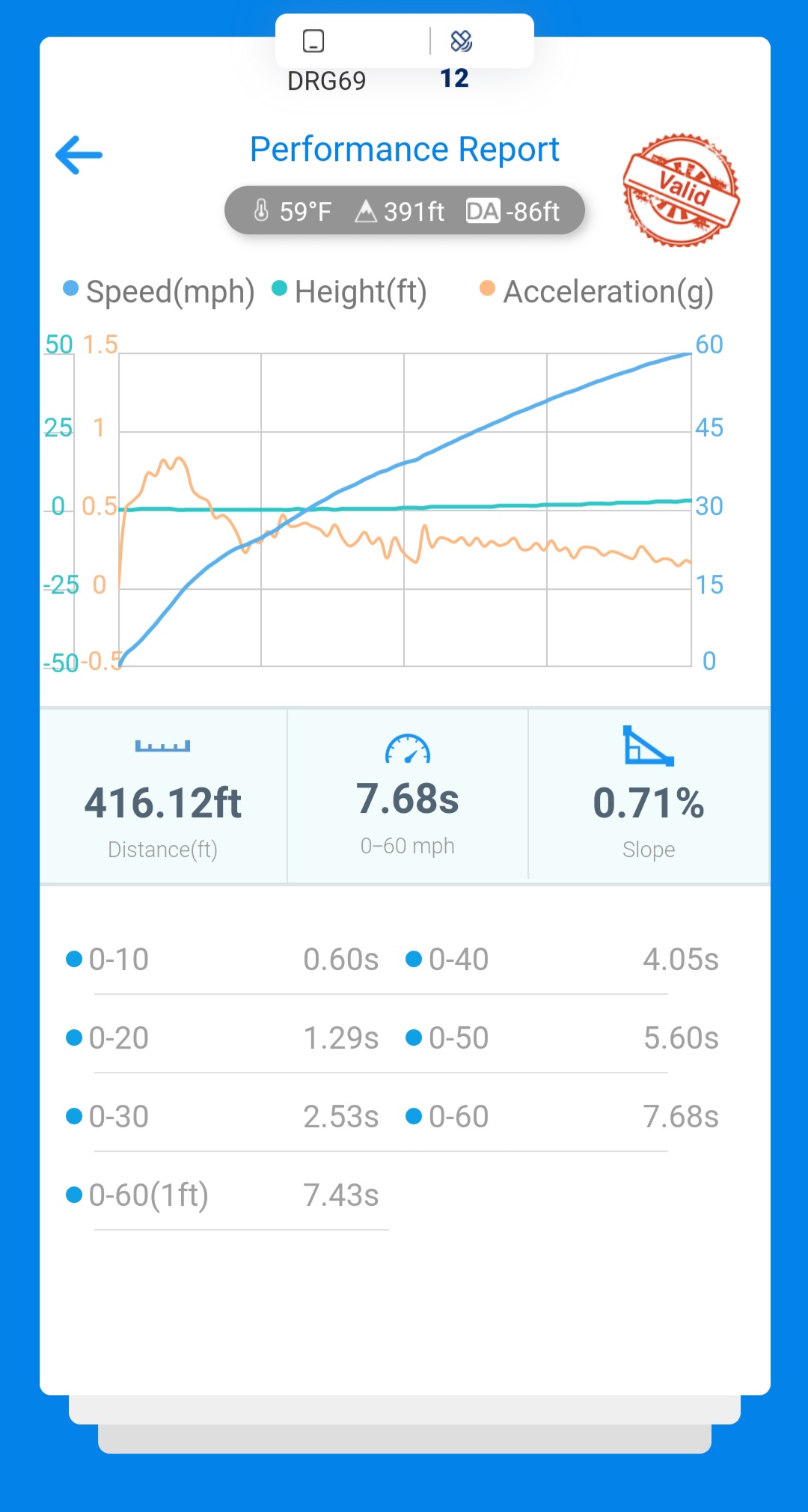
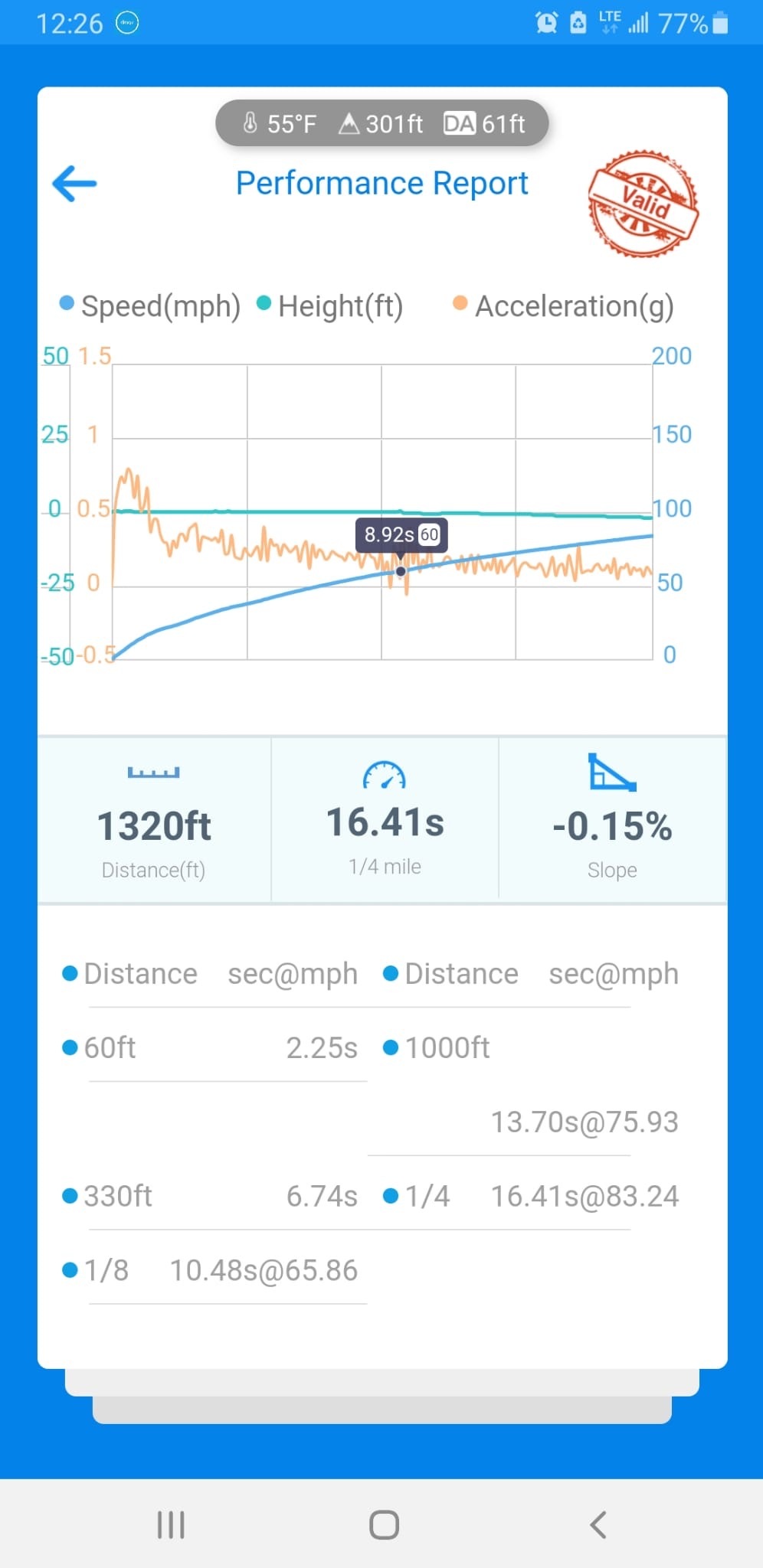
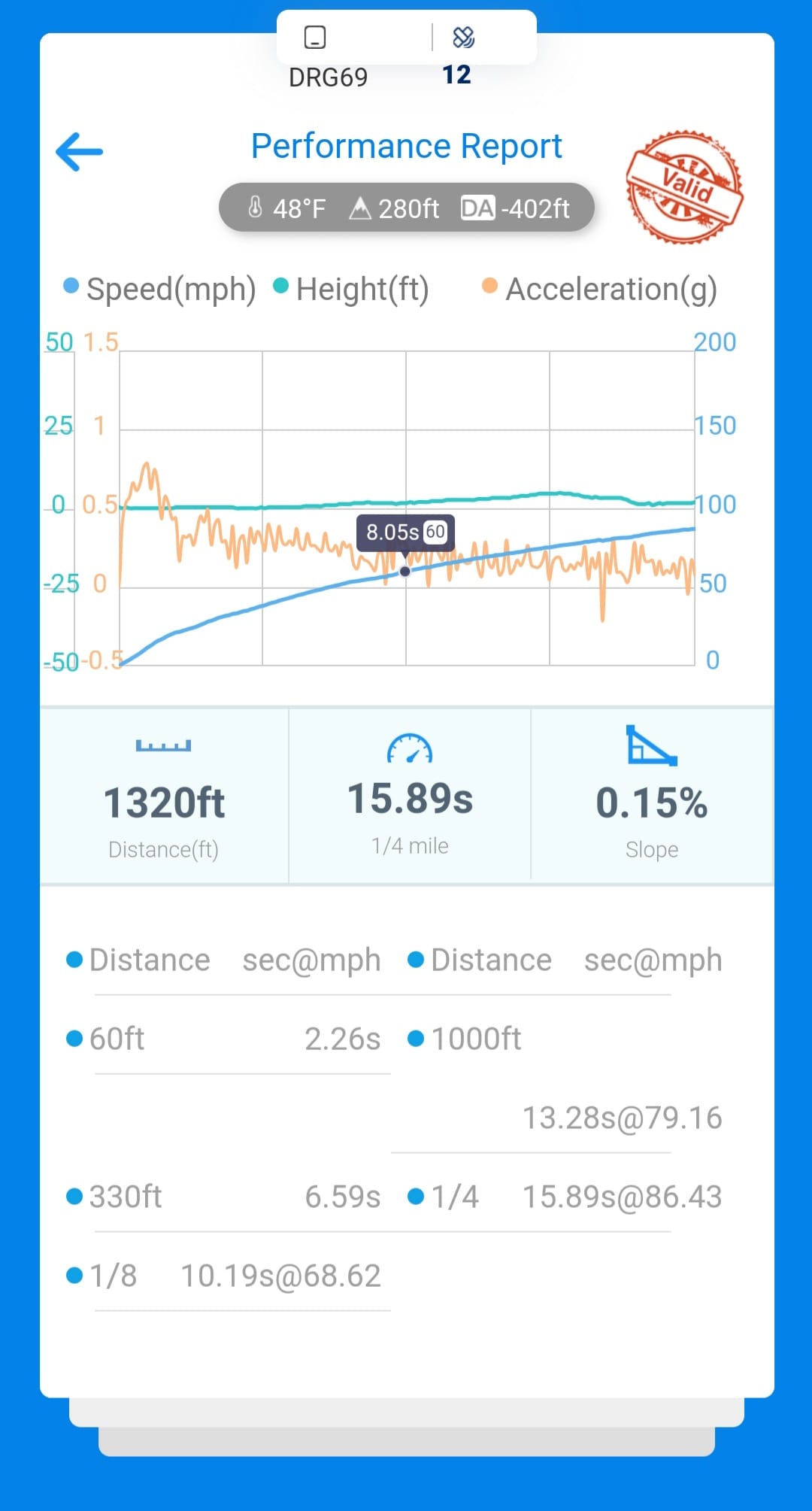
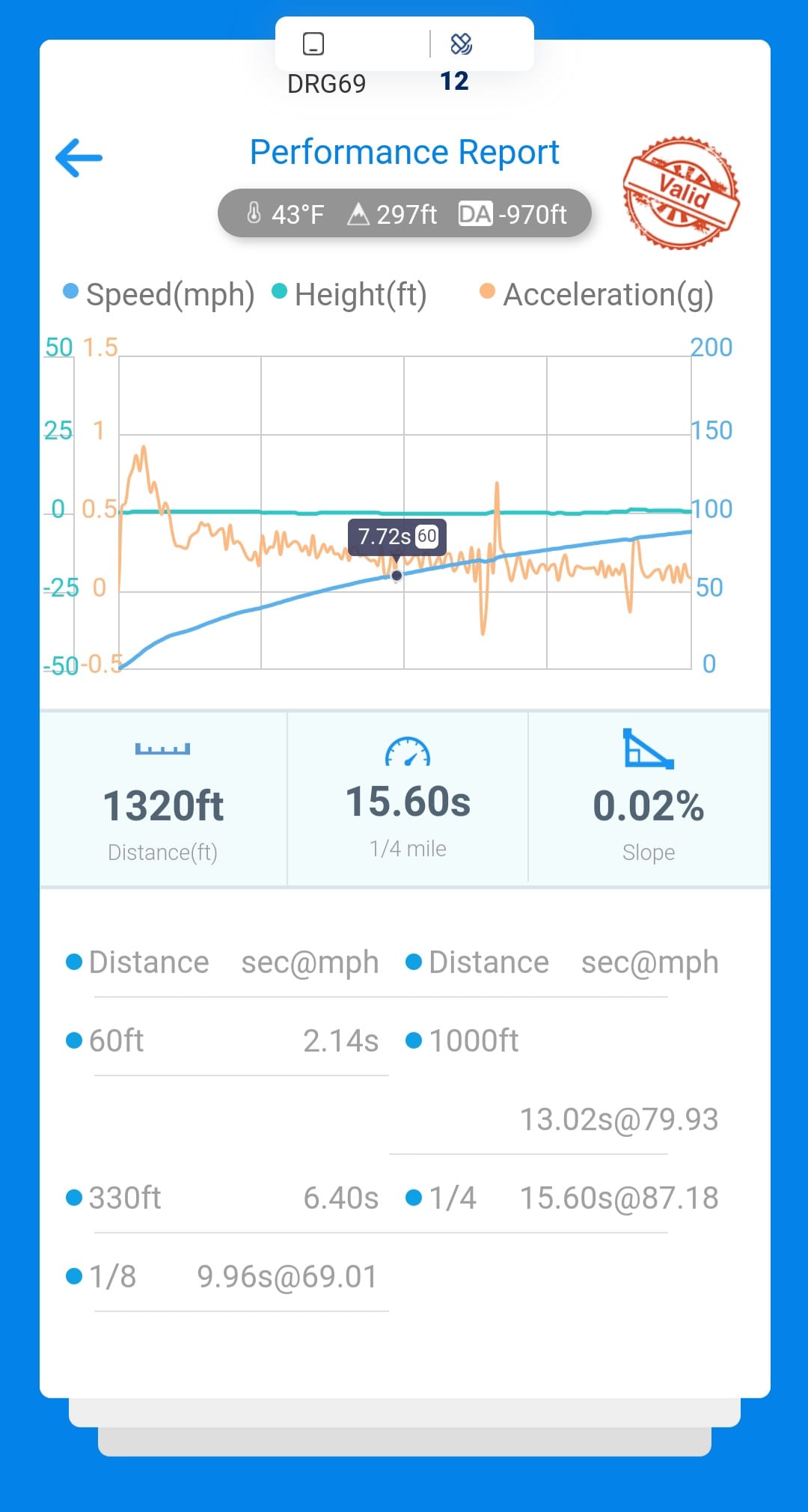
Our 2014 Audi Q5 TDI ran high 13s in a 1/4 mile with our Stage 2 ECU and TCU tunes.
Our 2012 Q7 TDI that is the biggest, heaviest, and least powerful of the TDI vehicles sold in the USA went almost a second quicker 0-60 mph with our Stage 1 ECU and TCU tunes and almost 1.5 seconds quicker 0-60 mph with our Stage 2 ECU and TCU tunes than stock.
D. Fault Codes, Warning Lights, Readiness Monitors, and Emissions Testing
These topics are intentionally answered as broadly and vague for legal reasons and they are the best way that we can answer these questions in a text form. Should you desire to discuss these topics over the Phone or Whatsapp then you can reach us at 703-565-7106.
Fault Codes and Warning Lights: All the corresponding fault codes and warning lights that go along with the software solutions for “adjusting” the different systems will no longer appear as intelligently as possible with our exhaust hardware or plates. We refuse to do what is called “Blanket Deletes” that simply turn everything off because we want these engines and transmissions to still give the vital warning lights and fault codes for driveability problems unlike our competitors that don’t know what they are doing so they completely turn everything off.
Readiness Monitors and Emissions Testing: Officially these tunes are for offroad use only so we can NOT publicly advertise that the readiness monitors will be set or that the vehicle will pass any sort of testing. However we have heard from customers that they have passed in different areas, countries, etc where the requirements are looser. Obviously if you live in Communist State of California then we recommend moving.
TCU/Transmission Tuning
Our Transmission tuning really sets us apart from our competitors and is where a lot of the magic happens. Below are the benefits of our TCU tuning:
- We shift the transmission smoother, quicker, and at better engine rpm points for the performance and torque expected based on our different stages of ECU tuning as a matched set for the best reliability, better fuel economy, and amazing performance!
- The Drive mode and Sport mode of the transmission retain the difference in feeling. Drive is meant for cruising as Sport is meant for driving quickly. Many other companies simply force every mode into Sport mode. Which can be very annoying when trying to drive gently around town.
- The EGTs/Exhaust Gas Temperatures stay cooler by keeping the engine in its most efficient rpm ranges.
- Towing is so much smoother with our TCU Tuning and we optimize the transmission fluid cooling to handle the heavier loads even in high desert summer temperatures.
- Our Stage 1 TCU tune is meant to work well with other companies’ ECU tunes just in case the owner already decided to use a different company’s ECU tune prior to learning about Oakes Performance Solutions.
- Other companies need VCDS changes in addition to their tcu tunes for any feeling change, especially with the bigger SUVs.
- A lot of customers have reported that our TCU Tuning has specifically cleared up any odd shifting between 2-3 gears and 3-4 gears. Along with any hesitation when going on, off, and back on the accelerator pedal in traffic has disappeared after downloading our TCU Tuning.
- We have multiple customers switch to our TCU Tuning because other companies’ tcu tunes would cause a limp mode of the transmission.
Exhaust Options
All of the below exhaust options are direct bolt in upgrades that come with all the necessary gaskets and hardware that fit perfectly every time. Our exhausts ship out on Tuesdays and Saturdays after orders are confirmed from our Michigan location. These Exhausts are made in the USA so our customers don’t have to pay surprise tariffs and Customs fees with shipping time getting extended to clear all the procedural steps required unlike our competitors that ship from Canada or the United Kingdom/England.
The only required sensor in the exhausts that we sell which must be transferred over from the stock exhaust is the oxygen sensor!
Exhausts for the Bigger SUVs including the 2009-2017 VW Touareg, Audi Q7, and Porsche Cayenne:
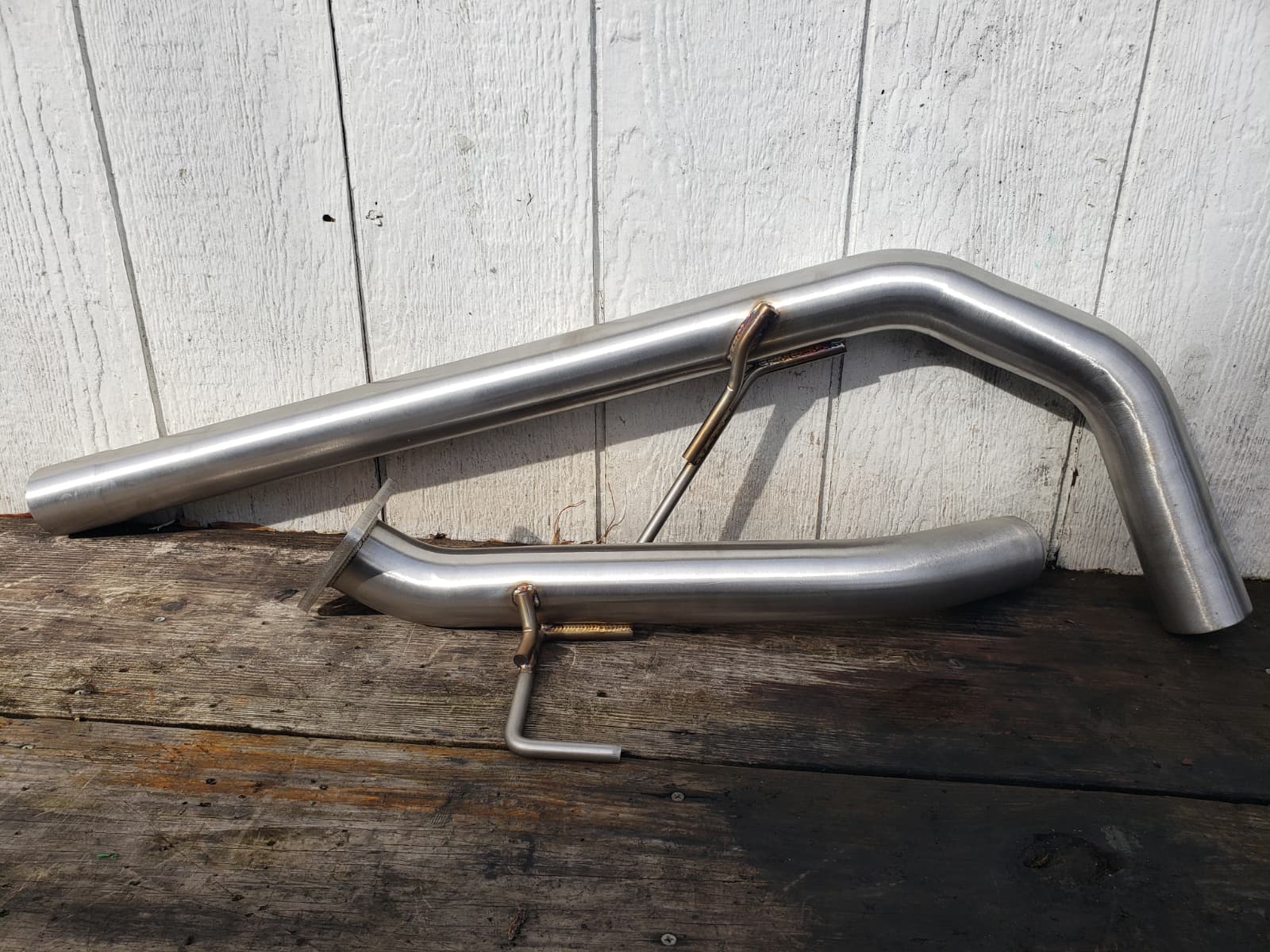
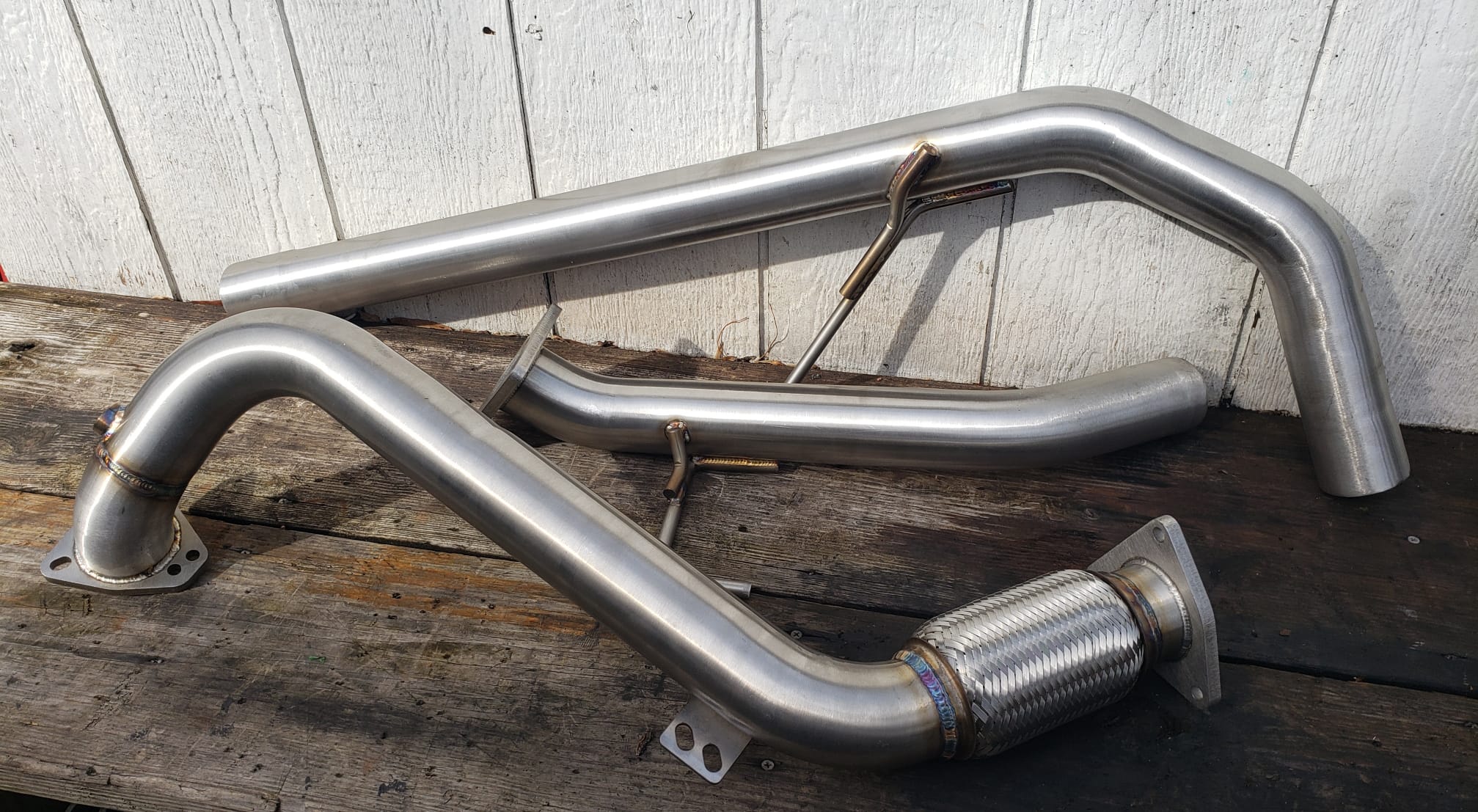
Bare Minimum Lower Two Exhaust Pipes:
These two pipes swap out the two most problematic filters under the SUV and are our most commonly sold pipes.
Optional – Upper Pipe with Flex Joint:
This pipe is mostly for replacing the upper pipe when the flex joint fails but also allows a little more flow.
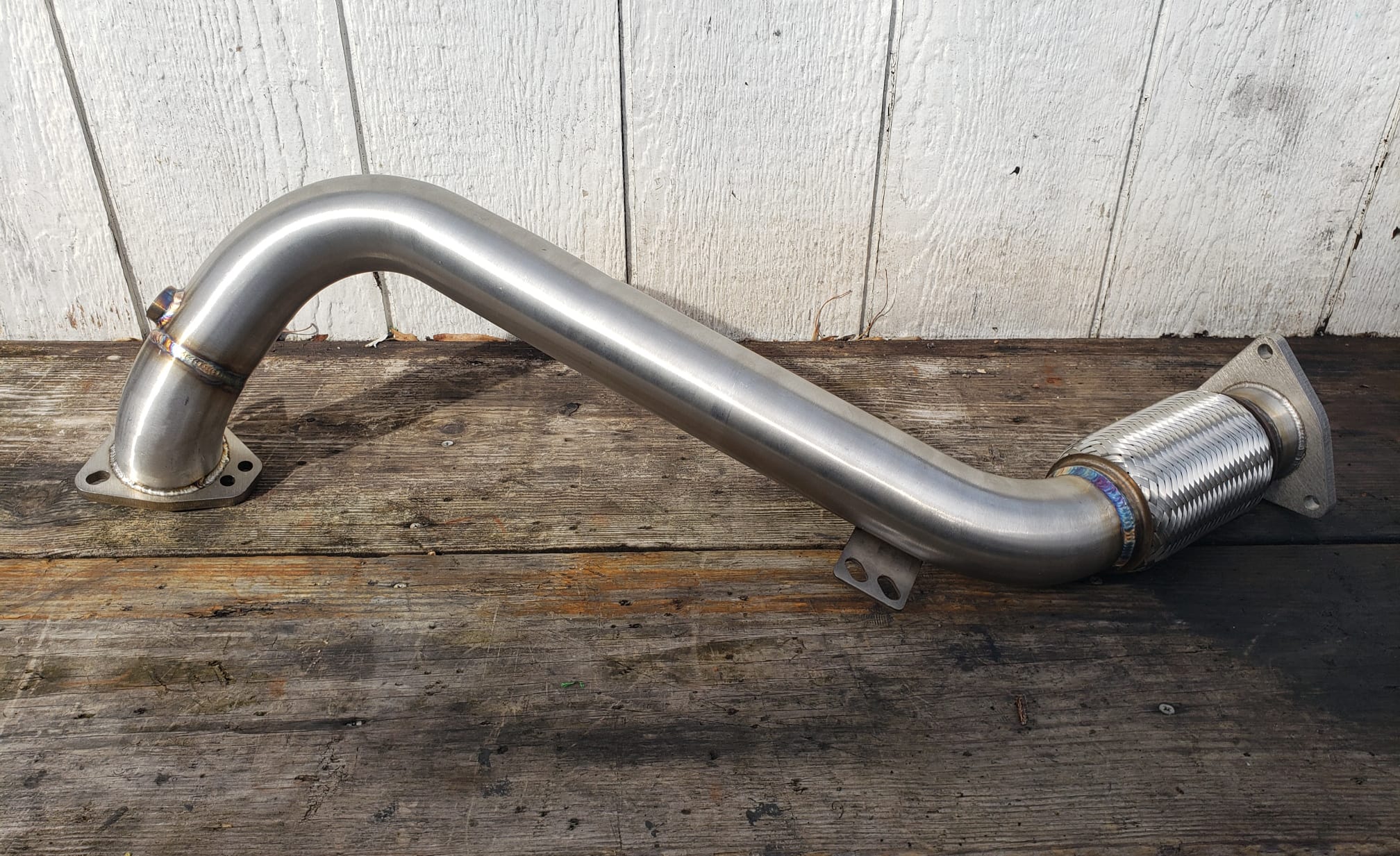
Performance – All Three Pipes:
Bundle of all three above pipes together with a package discount.
Below is a YouTube video we made to showcase our Bigger SUV exhausts:
Exhaust for the Audi Q5 and Sedans including the A6, A7, and A8 TDIs:
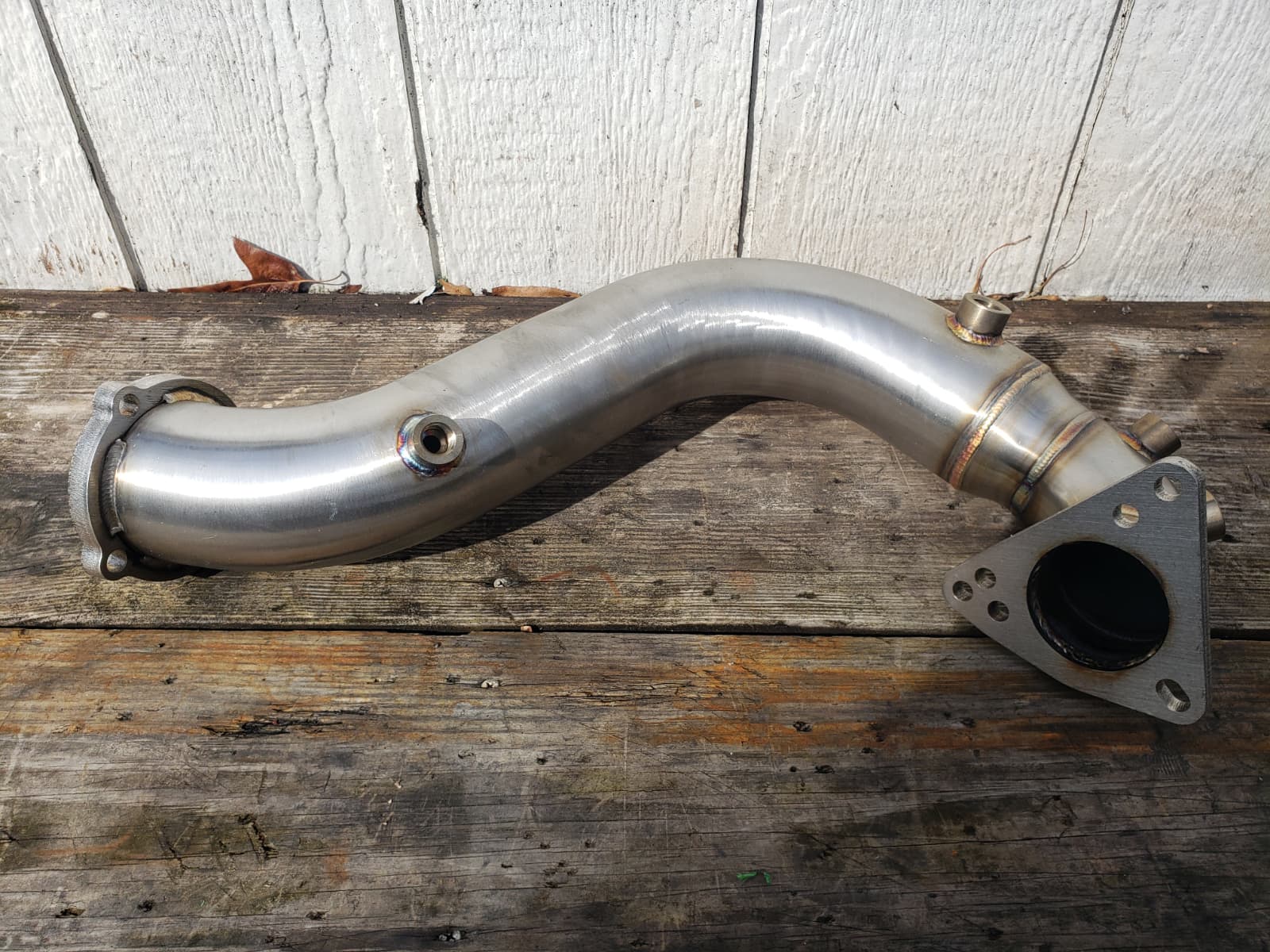
Bare Minimum – Upper 3.0 inch pipe:
This exhaust pipe swaps out the problematic filter from the exhaust and is the only necessary exhaust change with bung plugs included for the ports that are not commonly used.
Below is a YouTube video we made to showcase our Audi Q5 and Sedans exhaust:
EGR Exhaust Leak Block-Off Testing Plates
The top two plates are for a 2009-2012 CATA engine and the bottom two plates are for a 2013-2017 CNRB, CPNB, or CPNA engine. The left side plates are for the exhaust side and the right side plates are for the intake side.
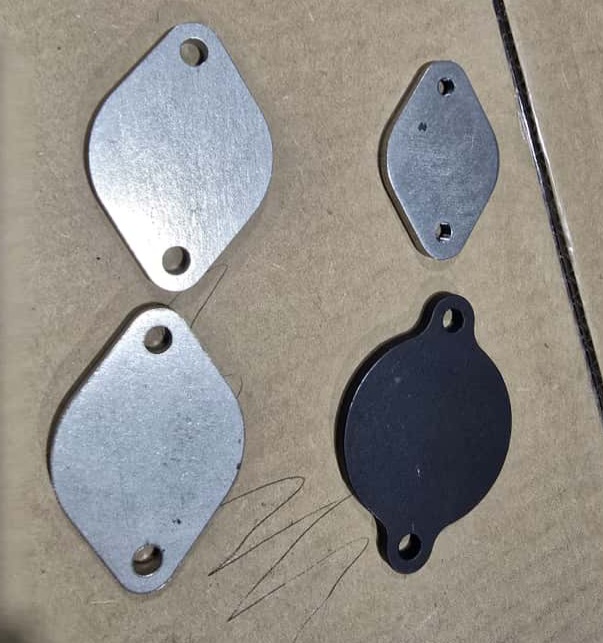
We offer these plates for customers to test if they have an exhaust leak for the EGR between the turbocharger and the intake system. Some of our customers will test for longer periods of time vs others because we have seen leaks from the following locations:
-
The welds on the EGR pipe at the two bolt hole flange by the turbocharger can fail causing a massive exhaust leak to the point that the engine stalls under heavy load. A clogged DPF would only compound this problem by causing excessive exhaust pressure.
-
The accordion exhaust pipe (part number 059131521F or revised 059131521K) between the turbo and the cooler on the back of the driver’s side cylinder head for the CATA engines has a bad tendency to leak at the movement joints and that pipe is extremely expensive to replace currently at over $1,000 USD if a dealership or parts supplier can even get one.
-
The EGR valve inside the mechanism can stick open intermittently at times or even permanently open causing the intake charge system boost to leak into the exhaust resulting in terrible performance, poor fuel economy, and shuttering or chugging while driving on the highway.
-
Rarely we have seen intake manifolds result in cracks, holes, and minor explosions from too much exhaust pressure being forced through the EGR into the intake because the DPF is clogged. The pressure has to go somewhere and the intake system has plastic manifolds as an intentional point of failure. Below is an intake manifold that exploded while the owner was accelerating hard onto a fast 80 mph speed limit highway.
We find that fully removing the EGR is not necessary because our customers can simply download a tune that “adjusts” the EGR system and unplug the three electrical connectors for the exhaust listed below in the EGR/Exhaust Gas Recirculation Concerns Expandable Tab.
AdBlue/DEF Concerns
We have software solutions for the Adblue system and aftermarket DEF/Diesel exhaust fluids.
Everyday we get multiple phone calls, emails, and messages through social media platforms about failing AdBlue systems. Typically a failing AdBlue light will cause warning lights to appear on the dash stating “AdBlue system fault. Engine will not Restart after 600 miles.” The AdBlue pump failing on our 2012 Audi Q7 CATA TDI was actually one of the main reasons why we started tuning these 3.0 TDI V6 engines years ago. At the time, Audi did not have any replacement pumps and was working on producing replacement units but my Q7 and a lot of our customers’ Q7s would have become yard ornaments because the engine wouldn’t restart after the mileage limit ran out. We decided to resolve this issue and have helped a ton of customers.
These systems have issues with the following components:
AdBlue fluid/DEF/Reductant agent, pump, tank level sensor, heater element, pressure sensor, tank temperature sensor, injector
NOx Sensors 1 or 2,
SCR/Secondary Catalyst Reduction pipe
A lot of customers call us when they see the following fault codes:
| Code | Description |
|---|---|
| P207F | Reductant Quality Performance |
| P20F4 | NOx Reductant Consumption Too Low |
| P2047 | Reductant Injector Bank 1 open circuit |
| P208A | Control circuit for reductant pump 1 open circuit |
| P203A | Reductant level sensor electrical malfunction |
| P204A | Reductant pressure sensor circuit electrical malfunction |
| P205A | Reductant tank temperature sensor electrical malfunction |
| U209D | No Communication with NOx Sensor 1 |
EGR/Exhaust Gas Recirculation Concerns
We have software solutions for the EGR system. Those solutions include a testing procedure of unplugging three electrical connectors listed below to test for leaks.
Multiple times a week we get phone calls, emails, and messages through social media platforms about failing EGR and ASV systems. These systems can cause the following issues:
- Warning lights on the dash including the Check Engine light and Glow Plug light with fault codes stored.
- Odd and unpredictable engine running operation including shaking and surging especially at highway speeds.
- Intake, exhaust, and coolant leaks. Occasionally I have seen coolant consumption from the EGR heat exchangers leaking coolant into the intake system.
- Nasty carbon buildup from the oil circulated via the PCV system into the intake system then being cooked to the intake manifold/s and intake ports/valves of the cylinder heads from the hot exhaust gasses being recirculated into the intake system. This also causes the ASV/Anti-Shudder Valve to stick intermittently that results in surging at highway speeds as well.
- Prolonged engine temperature warm up periods from cold start.
Dynamic EGR is now included on any tunes that “adjust” the EGR system to promote longevity of the components.
The three electrical connectors to disconnect for the CATA Engines are on top of the engine and described from the right/passenger’s side of the engine then towards the left/driver’s side of the vehicle.
- Orange two pin connector on top of the right/passenger’s side intake manifold swirl flap electric motor.
- Grey six pin connector in the middle of the engine that connects to the top of the EGR valve itself.
- Black two pin connector for the vacuum solenoid valve that is directly to the right and next to the Grey six pin connector for the EGR valve itself.
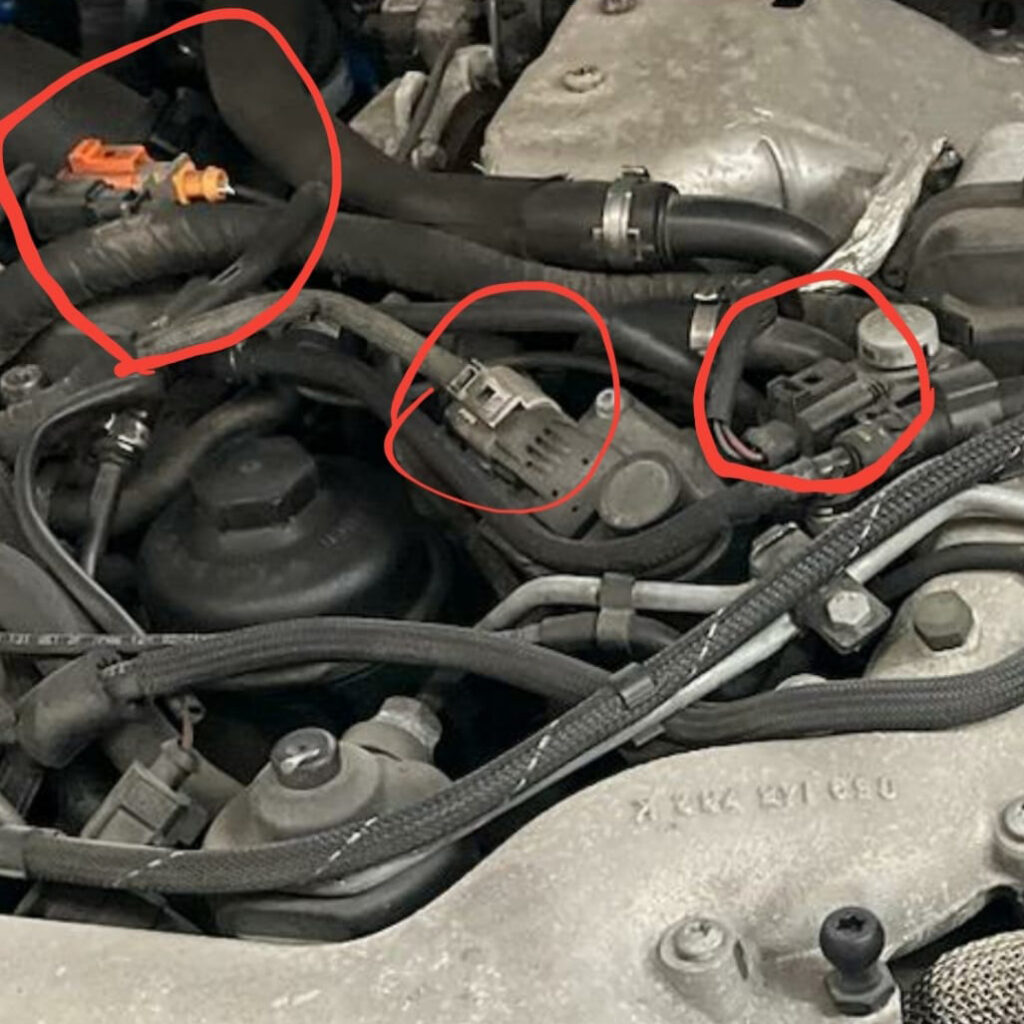
The three electrical connectors to disconnect for the CNRB/CPNB/CPNA Engines are on top of the engine and described from the right/passenger’s side of the engine then towards the left/driver’s side of the vehicle.
- Orange two pin connector that is on the front of the right cylinder head by the fuel rail with the fuel pressure regulating valve.
- Black two pin connector that is on the front middle portion of the engine just underneath the big black plastic intake manifold.
- Grey six pin electrical connector that plugs into the top of the EGR valve itself that is located in between the back of the intake manifold and the turbocharger. Typically most people use a long 90 degree pick to loosen this electrical connector because it is buried and hard to reach by hand.
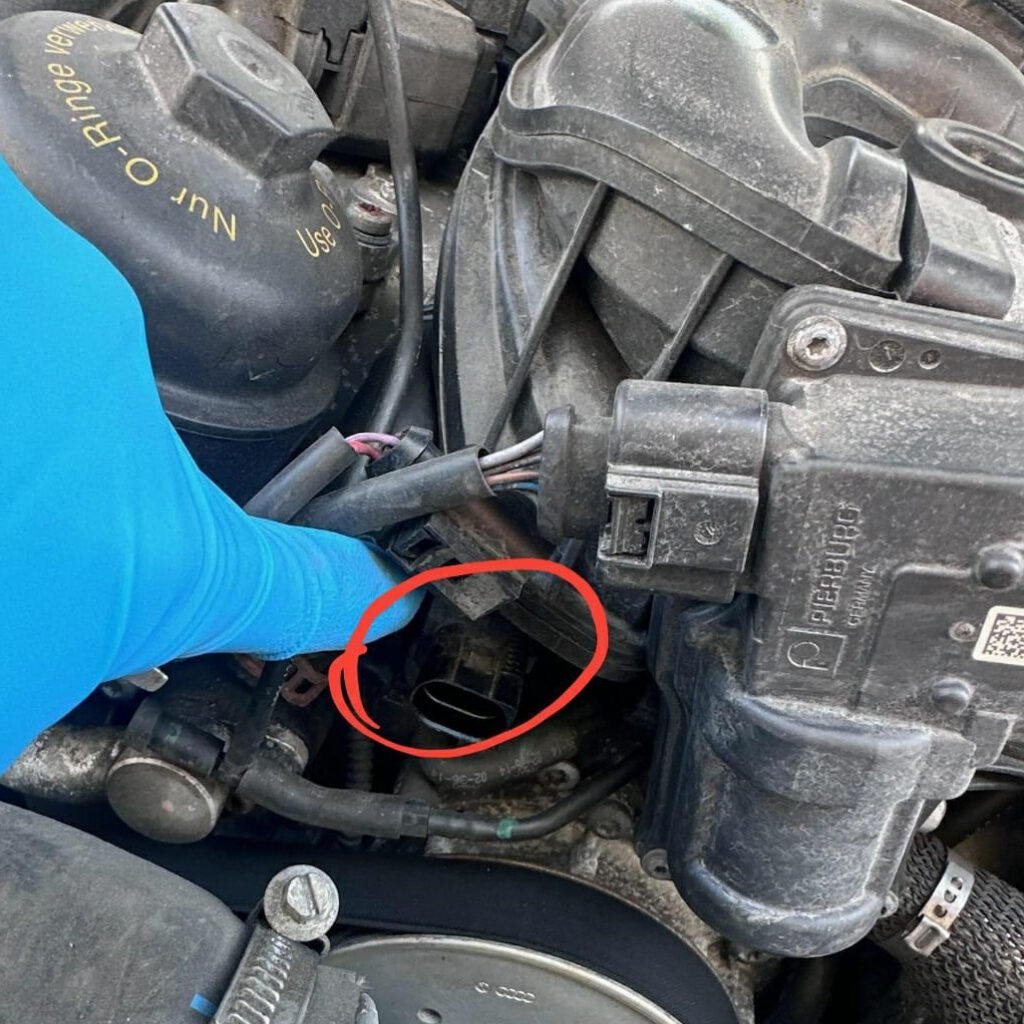
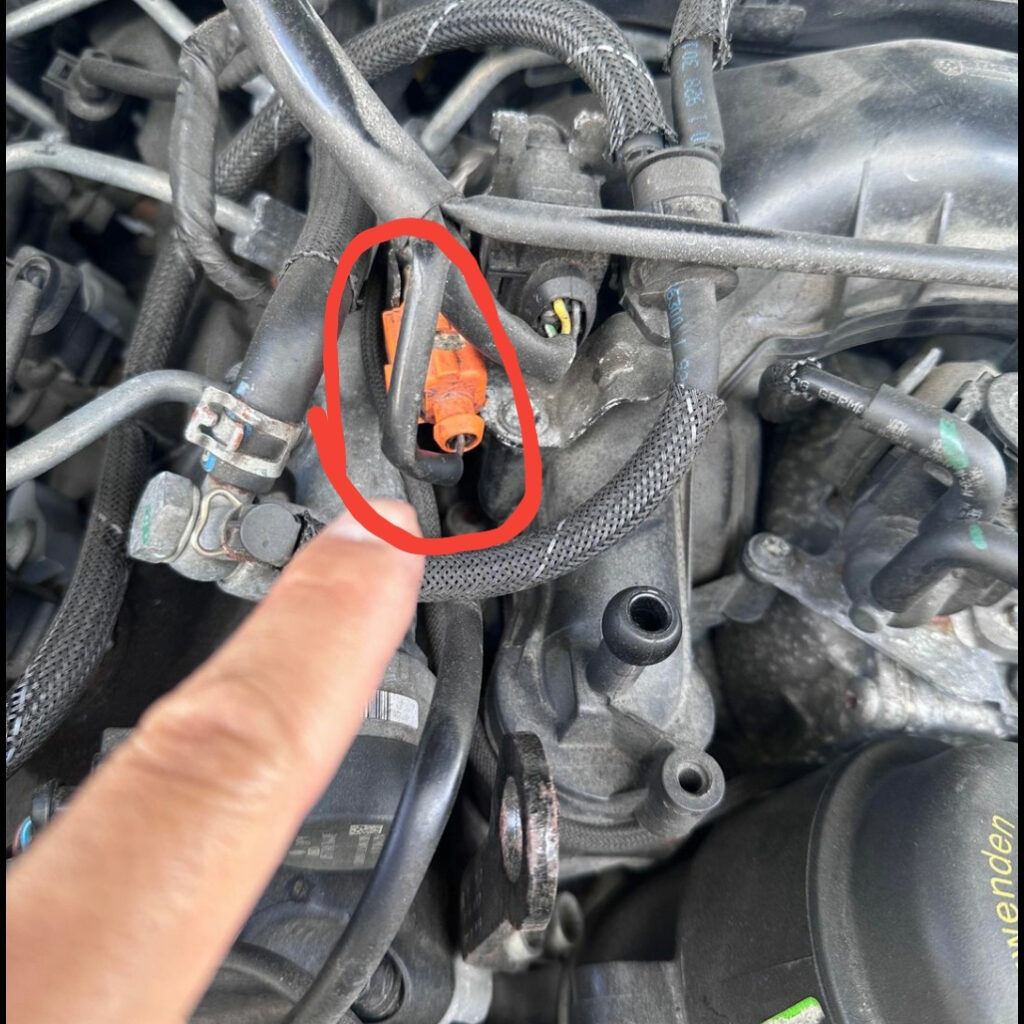
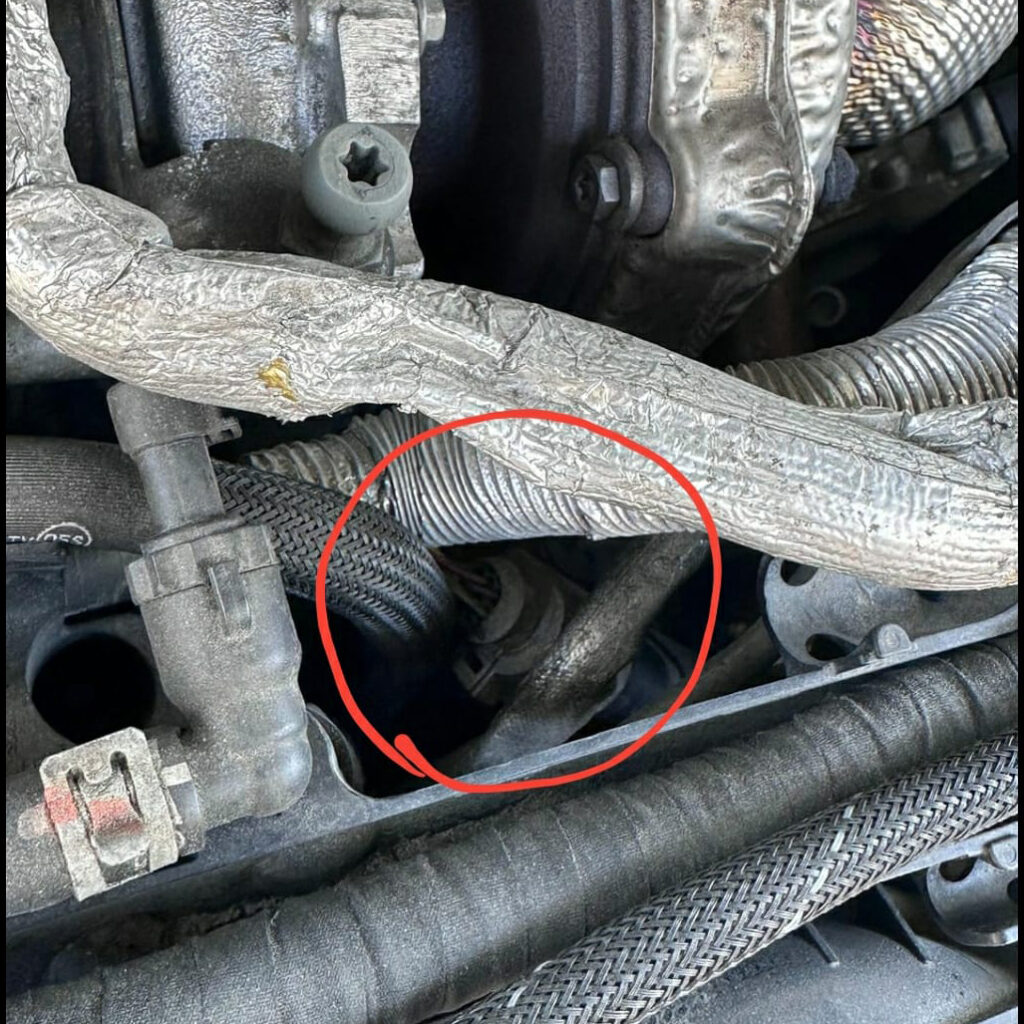
Typically most customers that see fault codes for these EGR and ASV systems will see one or more of the following fault codes:
| Code | Description |
|---|---|
| P040D | EGR temp sensor 1 signal too high |
| P0404 | EGR valve A circuit range/performance |
| P0405 | EGR sensor signal too low |
| P1440 | EGR valve (N18) open circuit |
| P2100 | Throttle Actuator control circuit open circuit |
| P2101 | Throttle Valve Actuator control system malfunction or range/performance |
| P2425 | Exhaust gas recirculation cooling valve control open circuit |
| P261A | Coolant pump 2 open circuit |
| P1927 | Relay for Aux coolant pump (J496) open circuit |
DPF/Diesel Particulate Filter Concerns
We have software solutions for the DPF.
Usually these TDI vehicles around 140K miles start having issues with the DPF/Diesel Particulate Filters. Which fits for these DPFs are considered a maintenance item at 140K miles or 225,000 km by Volkswagen, Audi, and Porsche that need to be regenerated or cleaned out at every service until the ash content is too high. Some customers have contacted us with vehicles that have had failures with as little as 60K miles but usually those vehicles are not driven on the highway enough to result in passive regenerations of the DPF where it cleans itself. Other customers have driven over 200K miles on the original DPF because they lightly cruise on the highway every day at 55-70 mph for hours. We made a very informative YouTube video about the DPF below:
Our offroad customers in certain countries across the globe will run aftermarket exhausts and we support those customers with software solutions.
- The DPF related components that most owners experience issues with include:
- DPF/Diesel Particulate filter
- DPF differential pressure sensor
- Exhaust gas temperature sensors 3 and 4
- DPF particulate matter sensor
Most people with DPF fault codes will see the following codes:
| Code | Description |
|---|---|
| P226D | Diesel Particulate Filter (Bank 1) Damaged or Substrate Missing |
| P2002 | Diesel Particulate Filter Efficiency Below Threshold |
| P2463 | Diesel Particulate Filter Restriction – Soot Accumulation |
| P242F | Diesel Particulate Filter Regeneration Incomplete |
| P244A | Diesel Particulate Filter Differential Pressure Too Low |
| P2458 | Diesel Particulate Filter Regeneration Duration |
| P2459 | Diesel Particulate Filter Regeneration Frequency |
| P246C | Diesel Particulate Filter – Soot Accumulation for Bank 1 |
| P2452 | Diesel Particulate Filter Pressure Sensor Circuit Low |
| P2453 | Diesel Particulate Filter Pressure Sensor Circuit High |
Required Maintenance
Maintenance Requirements for these 3.0 TDI V6s:
These are our maintenance requirements for these 3.0 TDI V6 engine equipped vehicles that are stock or tuned. We get a ton of new and older TDI owners that message us asking about what maintenance that we suggest so we put together the above video since this 2013 Audi Q7 TDI was purchased early into 2026. It is a perfect candidate for what our customers would see when buying these vehicles used with higher mileage. If the maintenance history is not known or you just want to start off with the best possible basic starting point then I recommend performing the servicing that we did in this video because these things have resolved quite a bit of issues. The basic servicing that we performed included the following:
Engine Oil and Filter change, Replacing the following filters (fuel, engine air, and cabin/pollen), and flushing the brake fluid.
Otherwise the following maintenance intervals listed below are a good reference for what we recommend. If the vehicle is already past these mileage recommendations then we strongly suggest that these items are checked, replaced, or serviced. As we add to this list then we will go back and make suggested changes. Along with that we will be releasing more videos on the different maintenance servicing and repairs. The mileage listed below the suggested maintenance and repairs repeats.
- 3-10K miles – Change the engine oil and filter.
- 10-20K miles – Replace the fuel filter and cabin/pollen air filter.
- Every year or two years: flush the brake fluid.
- 40-50K miles – Change the transmission fluid and filter, front and rear differential fluids, transfer case fluid (Bigger SUV) or center differential (Q5/Sedans), coolant, and power steering fluid if the vehicle has hydraulic steering assist like the bigger SUVs.
- 40-60K miles – Replace the engine air filter.
- 75-80K miles – Replace the serpentine belt, tensioner, and rollers. Should also check/replace the crankshaft pulley or harmonic balancer plus bolts if there are a lot of cracks in the rubber or rust is present because it can separate or break off.
-
100-150K –
- Clean out the oil and carbon buildup from the intercoolers, MAP sensor, ASV valve (looks like a throttle body), intake manifolds, swirl flap/s, cylinder head intake ports plus valves, and EGR if still installed and working.
- Usually this is about the time that there are leaks of oil and coolant from the valley of the engine on the later 2013-2017 (CNRB, CPNB, CPNA) engines as well so that is a great time to fix the leaks too while in there already.
- Reseal the fuel injectors on the later 2013-2017 engines by replacing the tapered copper washers, big and small o-rings, and hold down bolts.
- 140-200K miles – Replace the DPF with a new one or aftermarket off road pipe if allowed where the vehicle is registered. Usually the DPF is required to be manually regenerated at the 140K miles service and then at every service afterwards until it is too filled with ash and soot. Eventually it will cause a check engine light, glow plug light, and DPF warning on the dash when it is failing.
- 200-400K miles – Service/replace the timing chains, tensioners, and guide rails when the cold start rattling noise goes longer than four seconds, the intake camshaft phase position measuring value blocks readings is worse than -7 degrees, and/or a P0016 fault code for incorrect correlation between camshaft to crankshaft is stored resulting in a CEL/Check Engine Light and/or Glow Plug light.